Garage Door Maintenance in Richmond, IN
Each part that moves or bears weight gets examined, anything out of adjustment is reset, moving surfaces get the right lubricant, and you hear which components are wearing before they fail.
For a Richmond door that opens and closes daily, this is the cheapest moment to address a tired spring or frayed cable, because the work is scheduled instead of forced on a morning the door refuses to lift.
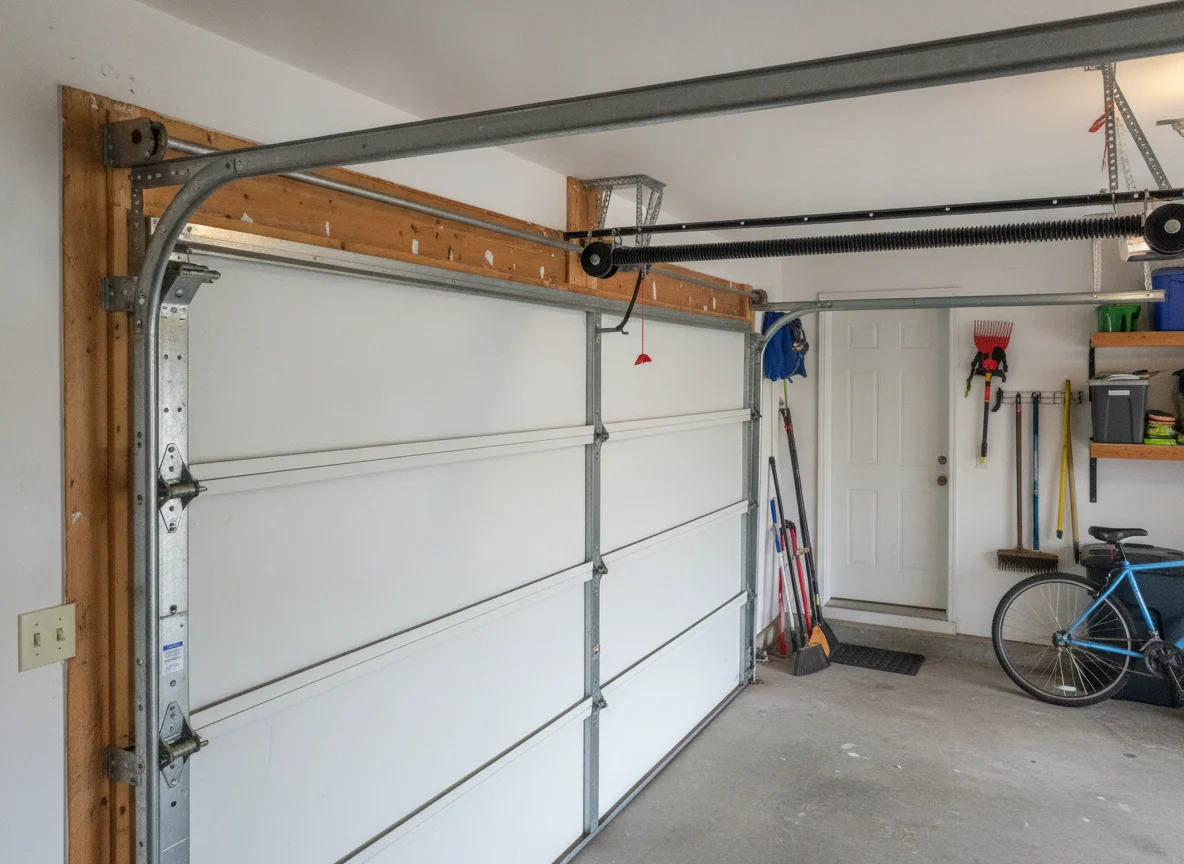
What gets inspected
Springs
Coils examined for spacing, rust and unequal wear, and the door's balance put to the test.
Cables
Examined for fraying and corrosion, mostly at the bottom attachment, and for equal tension per side.
Rollers and hinges
Worn, loose or cracked rollers flagged, with bearings and hinges oiled.
Track
Examined for bends, loose brackets and alignment, then wiped clean.
Fasteners
Bolts on hinges, brackets and track get tightened, since vibration loosens them gradually.
The opener
Tension on the drive chain or belt, door travel, and closing force.
Safety reversal
A broken sensor beam has to turn the door around, and so does meeting any object while it descends.
Bottom seal and weatherstripping: examined for openings that let moisture, cold and pests in.
You should leave understanding what is worn and the reason, then choose between acting now and monitoring it.
Has the door turned loud, jerky or sluggish? Say what changed and we'll pick it up from there.
Contact UsTime for a visit
The door is louder than before: grinding, squealing or a thud when it reaches the end of its travel.
It jerks along or slows down midway through.
It drops fast, or one corner touches down before the other.
The opener strains harder than it used to when lifting.
Nobody can recall when it was last inspected, and it runs every single day.
Describe what the door is doing
A sentence or two will do. Naming the failed part isn't required; describe the symptom.
Do-it-yourself checks between visits
Each takes a few minutes and heads off trouble:
Once a month, stand on the floor and look at the springs and cables with the door closed. Spot any gap in a coil or loose strands, but never touch them.
Try the reversal
Put a plank where the door lands and close it. Contact should send it back up, as the U.S. Consumer Product Safety Commission requires. If it keeps pressing, leave the opener off until adjusted.
Try the sensors
Interrupt the beam with an object while the door descends. It should halt and rise.
Oil only the right parts
Spray hinges, roller bearings and springs with a product made for garage doors. The tracks stay clean and dry, and grease is out, since it grabs grit and dirt.
Keep the tracks and the ground in front of the door clear. Chip ice off the bottom seal in winter; Richmond's record low is -27 F, and forcing the opener against a frozen door can tear the seal and strain the system.
Frequency
How hard the door works sets the interval. A door used as the main entrance, running many times a day, deserves more attention than one that rarely moves. Richmond sees about 43 inches of precipitation a year, so inspect ahead of the first cold stretch, because cold is when worn springs tend to give out.
For most homes, an annual visit is a reasonable baseline, adjusted up or down to match use.
What moves the cost of maintenance
One door or two, and whether the opener needs servicing alongside it.
Worn hardware found along the way, like rollers, the bottom seal, hinges or a cable nearly spent. Request separate pricing for any of that, apart from the tune-up, and decide item by item.
How far the door has slipped out of tune
Years of neglect mean more adjusting than a door that gets regular, steady attention.
When a tune-up is not the answer
This service fits a door that still runs. When something has already given way, go to the matching repair page:
Frequently asked
Is servicing worthwhile for a recent install?
Yes, if the family uses it constantly. Parts wear with every cycle, so a door in constant use ages its springs and rollers faster than its date suggests.
Can upkeep prevent a spring from snapping?
No spring lasts forever. A check finds one close to retirement, so the replacement lands on a convenient day for you, not on the morning it breaks without warning.
Which lubricant is right?
Garage door spray, lithium or silicone based. Household oil and heavy grease are not a good choice.
More ways we can help
Garage Door Spring Repair
Broken torsion or extension springs, swapped for a pair or single matched to the door's weight.
Read more →Garage Door Opener Repair
Openers that hum, reverse or fail to respond, and new units when repair isn't sensible.
Read more →Reach out
Include the age of the door and opener, how many times a day the door runs, and whatever is new about its behavior: a noise, a jerk, a sluggish close.
If you just bought the house and the door came with it, say that, along with any repairs you know about.